

The quiet curators
The most interesting people you know are secretly collecting things.

Before the internet, curating meant something different.
The word comes from the Latin cura meaning care, concern or guardianship, or curare meaning “to care for.” So a curator was someone entrusted with oversight or care: a guardian or caretaker of collections, institutions or someone’s affairs. As a curator, you were essentially a careful steward of something.
Now we curate feeds, playlists, wardrobes, grids, aesthetics, newsletters, boards. The word has expanded to imply discernment, taste or the framing of something. We associate curation less with collecting and care, and more with performing or arranging something for an audience.
And yet, we still have quiet curators everywhere.
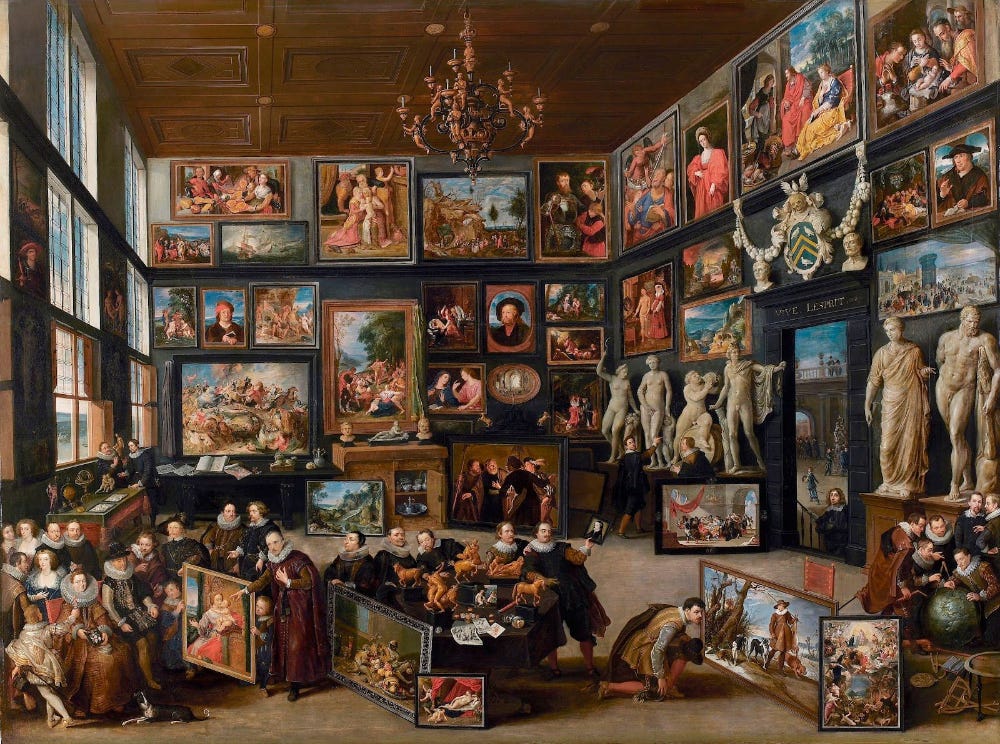
Like the original curator, these are the people who are diligently, thoughtfully, even obsessively caring about something. You know them by their work or their ideas, not their collections. But I promise you they have they them:
the filmmaker with their studies of light and shadow
the chef with a personal library of colors
the architect who saves his favorite paintings
the writer who collects sounds
The most interesting people you know share one thing: a private world of references, obsessions and curiosities they quietly build over many years, for no immediate purpose and no audience but themselves. They do it because, like you did with your collection of rocks or dolls as a kid, they simply care. These things fascinate them or feel important to them in some way. They’re drawn to them, so they save them.
These private collections become the wellspring of their work. It’s where their ideas come from, where their taste comes from.
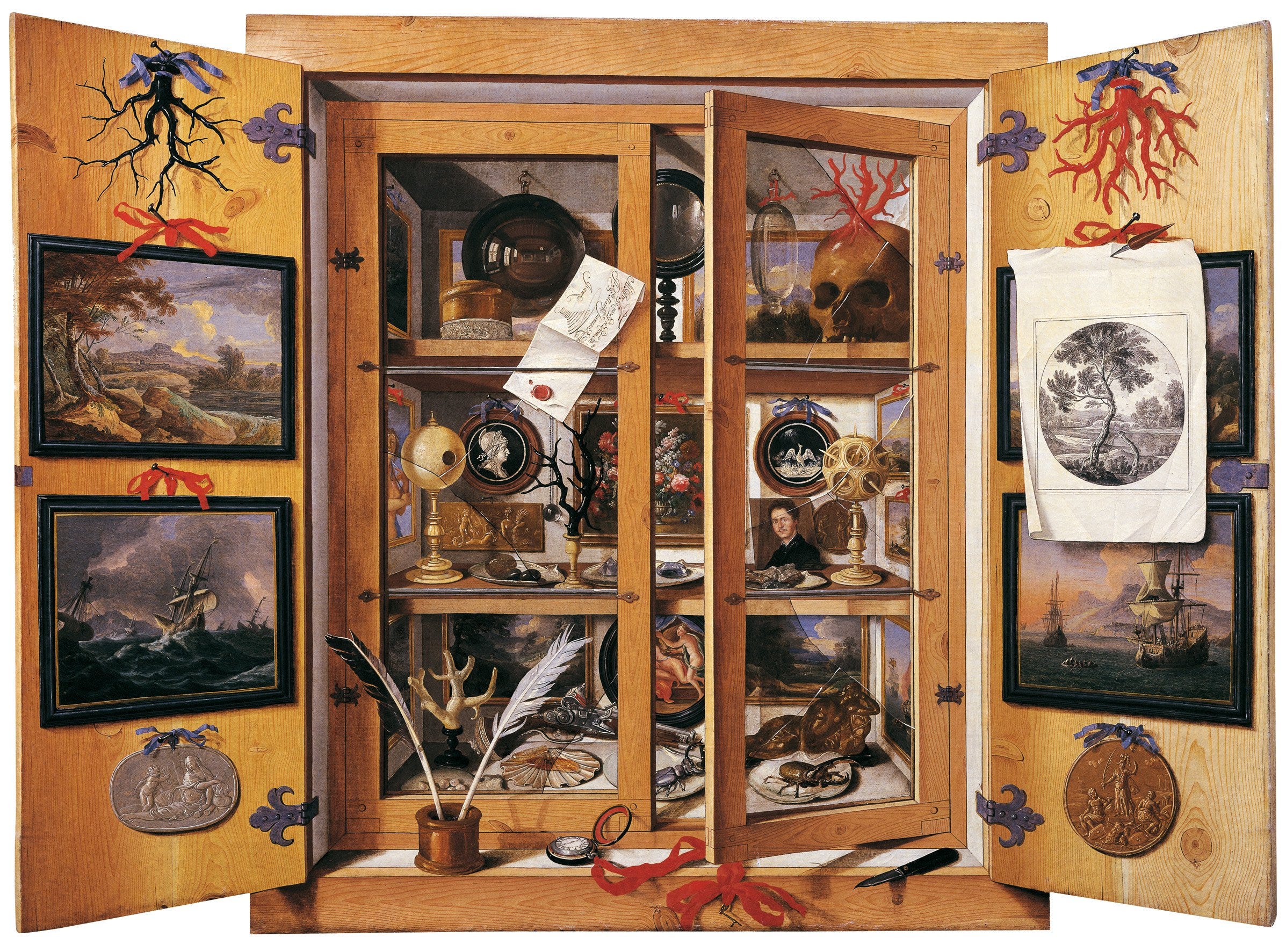
Which is the whole idea behind mymind (the tool I work on). It’s a private collection for just yourself, filled with bookmarks, screenshots, images, notes, articles, highlights, quotes, books, movies, everything. Not because you’re building a brand or performing taste for someone else, but simply because you care enough to keep them.
A collection is honest. You gather what fascinates you, what you love or what speaks to you without any coherent reason, aesthetic consistency or concern for what it says about you. You keep the strange, ugly thing that moves you. The thing that doesn’t fit the grid. The object or idea or visual that would ruin your aesthetic if you were curating in today’s sense of the word.
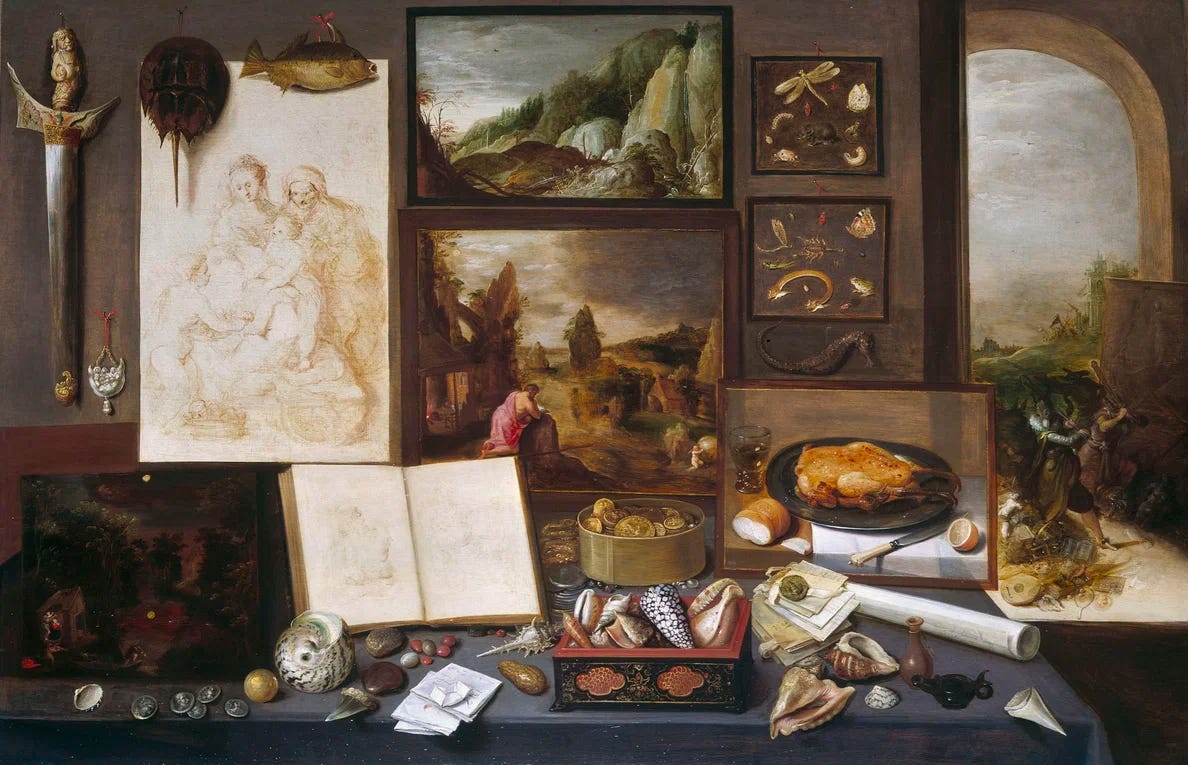
Because it’s private, it becomes a true collection. Not a display shelf in IKEA with matching spines and crowd-pleasing titles. More like a library stuffed with mismatched themes and worn covers. No obvious thread among them, just the idiosyncratic result of someone following their curiosity.
The things you collect may not have any direct connection with your work or current projects, at least not immediately. But much like compost, they eventually break down, ferment and become something useful. Just keep collecting what genuinely interests you, revisit these things often and give it time.
Whether they’re using mymind or not, the people you admire are building these collections. It may all be in their head, some other tool or a chaotic folder on their desktop. Wherever it lives, they draw upon these private collections constantly, connecting seemingly unrelated ideas and shaping them into something new. Not from a desire to impress, but from an inner drive, a deep caring, that feels as natural and necessary as tapping your foot to a beat. They are curators in the truer sense of the word.
If you’re curious about using mymind for this purpose and have questions about it, my DMs are open. It’s free to sign up though, so you can try it out and see if it feels like the right fit for you. Whether it is or not, I hope you’ll find a private space to curate for just yourself. It makes your mind and your experience richer. It gives your work depth and texture.
More reading on this, if you’re interested: