

Get aggressively curious
The world wants to tell you what to think about, what to be interested in, what to learn, what to worry about. And it’s easier to let it.

You could go through your entire day without making a single choice. Eat what’s suggested to you on delivery apps. Buy what’s fed to you on Instagram ads and influencer accounts. Watch the TV that’s trending online, read the headlines the algorithm shows you. Many of us will spend our whole lives doing just that, without even realizing it.
We may even consider ourselves independent thinkers. We choose new hobbies, consider new ideas, try new styles. But if we aggregated those interests on a pie chart, we’d see most of us are circling around the same things at the same time. We wear the brands everyone else is wearing, the same scents. We adopt a similar lifestyle as the people in our city. We travel to the vacation destinations we see on our friend’s Stories, read the books that rise to the bestseller list. Even our political affiliation and belief system are influenced by where we live and who we’re surrounded by. We believe these are our independent decisions, but if we traced their origins, we’d likely find they’re a result of the stimulus around us.
To some extent, that’s just how humans and culture work. We’re products of our environment. Which is fine and normal, until you realize everything you’re doing is being decided for you.
Real living is about seeking. Not responding.
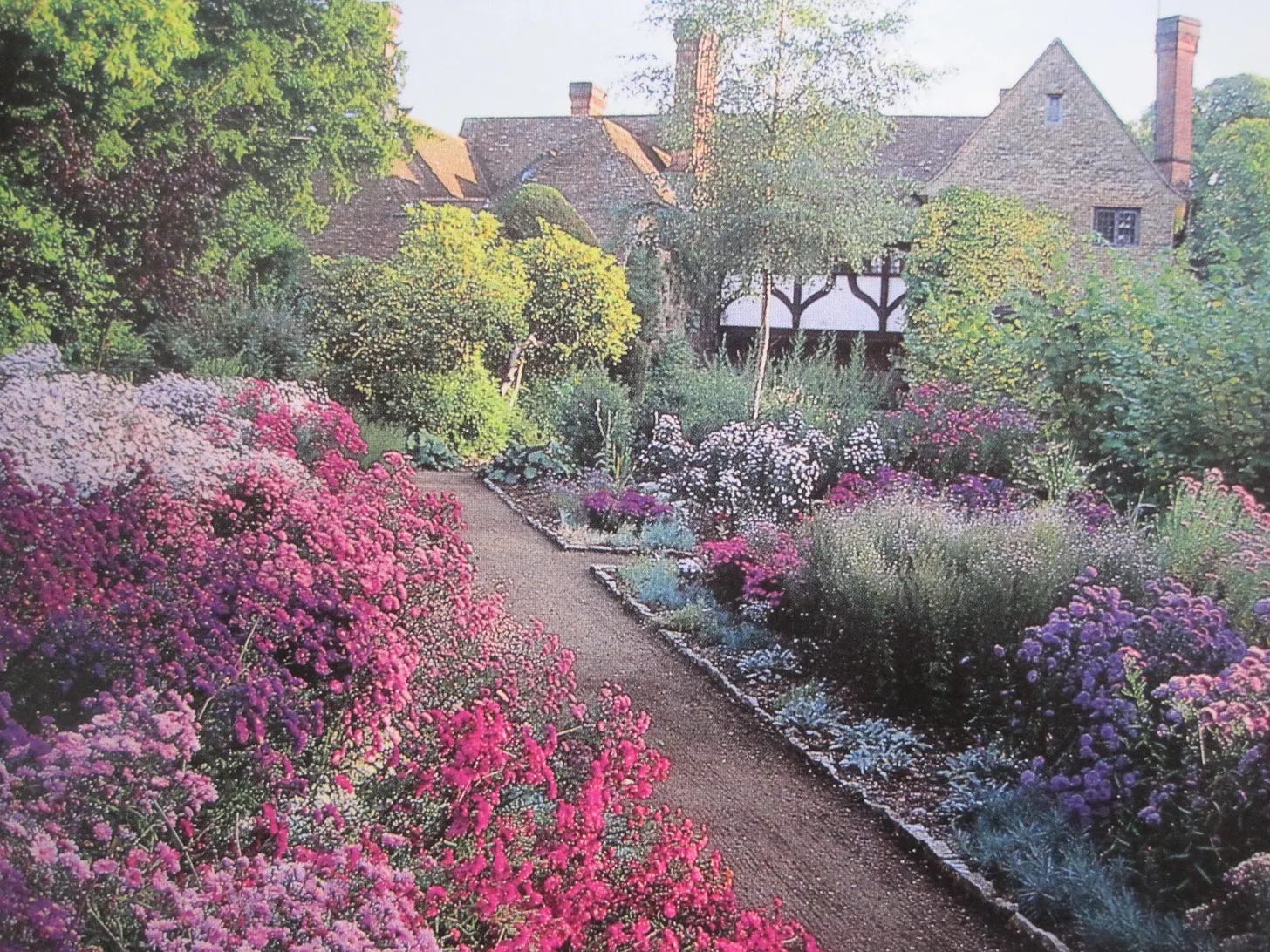
I was talking with a friend’s husband the other day, and I asked what he’d been reading. He showed me a book about Gertrude Jekyll, a British horticulturist and garden designer known for her focus on color theory. He’d been assigned to oversee a new garden at his workplace, and he wanted to do it well, to respect the history of the place and create something unique. This guy has no background in gardening, no job title related to it. He just took a simple job assignment and went deep down a rabbit hole nobody asked him to go down. I was inspired. I had no idea color theory even existed in gardening, and now I wanted to make a garden that felt like a painting too. This is the effect of seeking. The deeper you go into anything, the more interesting life becomes.
Unfortunately, it’s much easier to skim the surface. Take the top results in your Google search or ChatGPT and move on. A passive, shallow life is our default setting now. We’ve lost our ability for going deep; we have no time or energy for sustained focus anymore. And we don’t see that we’re not living because everything seems acceptable. It’s how everyone else around us lives, after all. You don’t notice you’re being swept along by a tide until you look out and see you’re farther down the beach than you realized. Some of us never do.
Today, swimming against the tide means breaking out of the algorithms. Confuse your music app by listening to songs from other countries and genres you’ve never tried. Throw off YouTube by diving into a topic you’ve never learned about. Fake out Instagram by following people and brands far outside your usual circle. Bewilder Facebook by reading articles that oppose your typical point of view. Then, once the algorithm catches up, do it again.
“One should always be curious. Not a passive curiosity dependent upon information received, but an aggressive curiosity that compels one to seek things out and ascertain them for oneself.” – Issey Miyake
When you discover something you’ve never heard or seen before, something that piques your interest, follow it as far as you can go. Read everything you can find on the subject. Watch the masters practice it. Try it yourself. Seek out opinions or ideas that contradict it. Make a study of whatever you’re interested in. Do it with dozens of things at the same time. No matter how weird or specific or unpopular the path may be, try going down it as far as you can. Never settle for the first result, the suggested “you might like this” post. Demand more for yourself. Demand deeper.
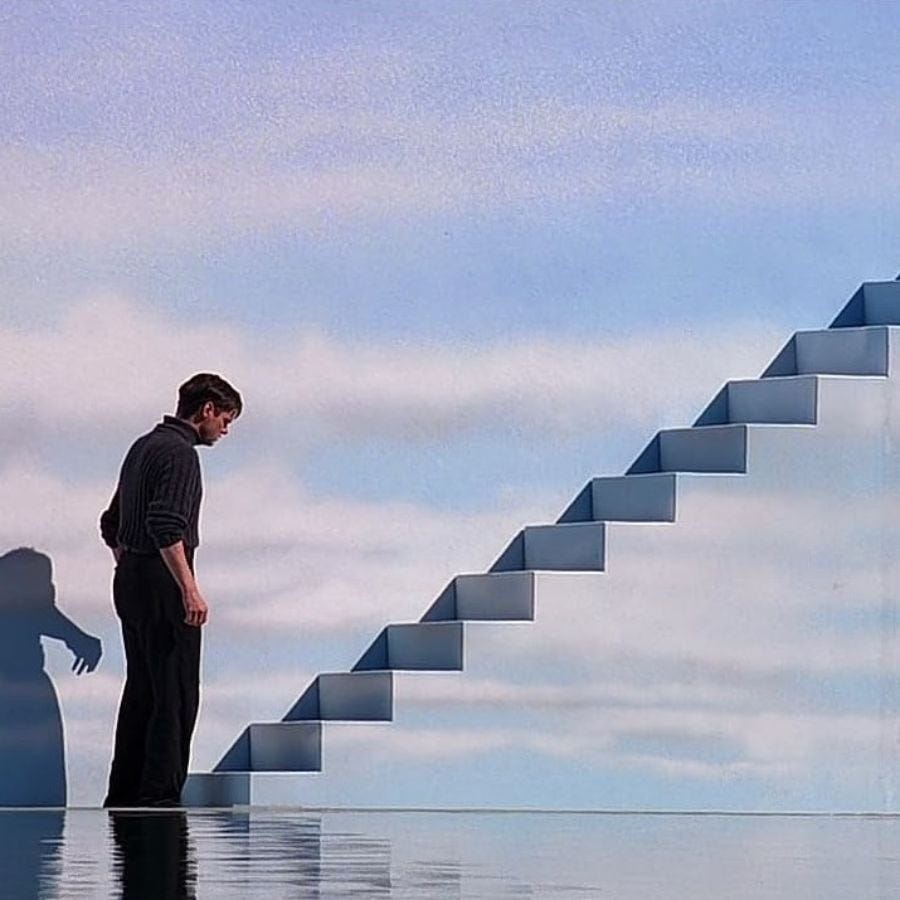
This is how artists find their niche. It’s how new discoveries are made. It’s how people question what the world wants for and from them, and discover a universe out there waiting for them. They’re aggressively curious. They’re paying attention enough to feel compelled.
"We choose new hobbies, consider new ideas, try new styles. But if we aggregated those interests on a pie chart, we’d see most of us are circling around the same things at the same time."
Reminded me of when I took an improv class and the instructor asked everyone to walk around the room randomly, but eventually everyone ended up walking around in a counterclockwise circle instead. Like some fish or ants when they get anxious or antsy. I attempted true randomness with a few steps here and there and then it got too awkward bumping into people.